
A Mars Analog Mission to the Flashline Research Station
A Mars Analog Mission to the Flashline Research Station
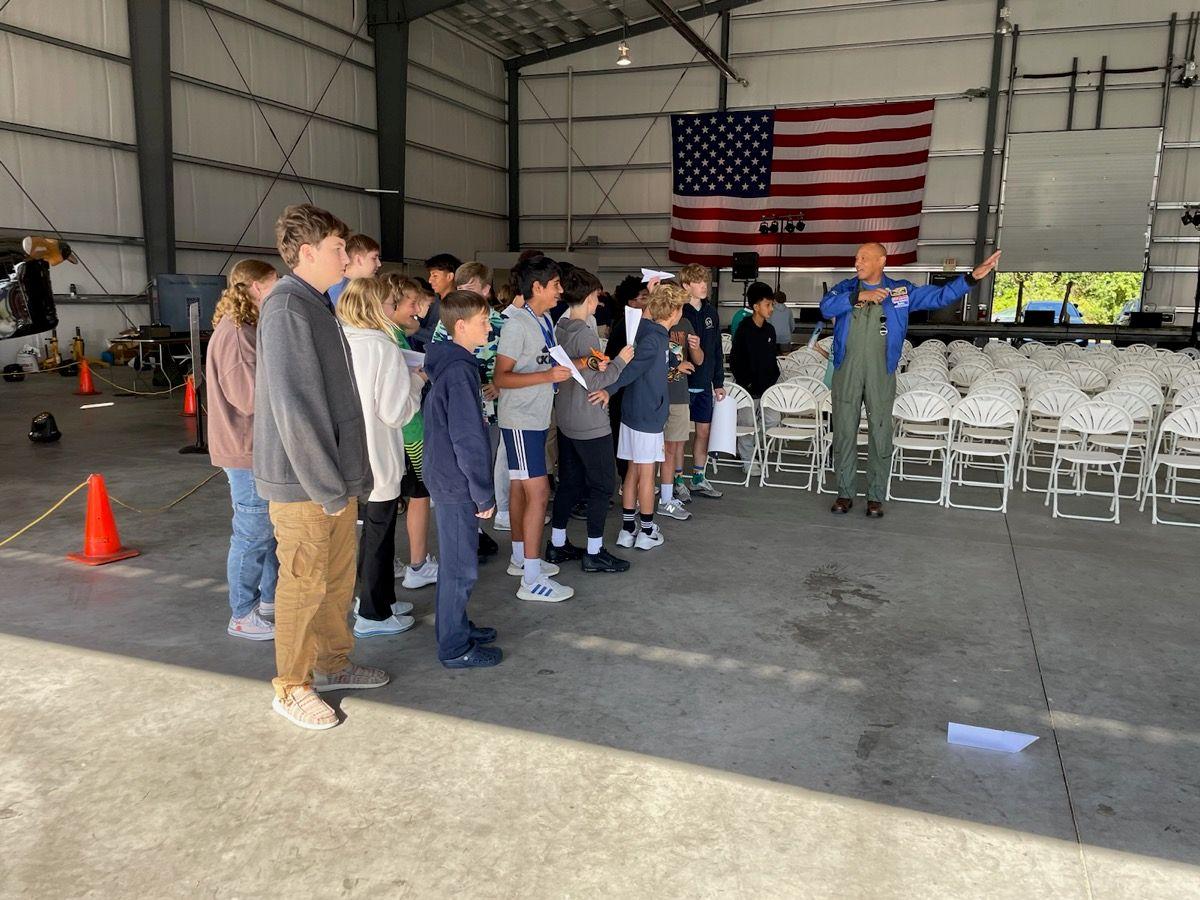
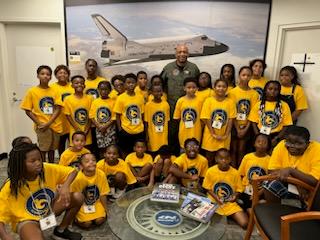
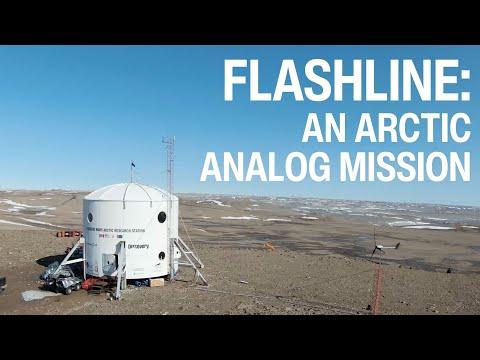
TESA founder Diallo Wallace served as Mission Commander at the Flashline Mars Arctic Research Station (FMARS) on Devon Island — one of the most remote and Mars-like environments on Earth. This experience in analog astronautics is a cornerstone of the real-world expertise that shapes TESA's hands-on approach to aerospace education.
Video produced by The Aerospace Corporation.
What Is a Mars Analog Mission?
Mars analog missions place crews in extreme, isolated environments that simulate the conditions astronauts will face on Mars. At the Flashline station on Devon Island in the Canadian Arctic, crew members live under Mars-like constraints — wearing simulated spacesuits for EVAs, managing limited resources, and conducting real scientific research.
Why This Matters for TESA Students
This kind of firsthand experience in space exploration and analog astronautics directly informs how TESA teaches:
- Real-world context — Students learn from an instructor who has lived the challenges of space mission operations
- Mission-driven mindset — Our curriculum emphasizes teamwork, problem-solving under constraints, and engineering resilience
- Inspiration — Seeing what's possible motivates students to push beyond textbook learning
Want to learn more about our founder's background? Read the full bio.
Share this article
Written by
TESA Team
Founder of TESA, Space Camp Hall of Fame 2025 inductee, Naval Academy aerospace engineering professor, and Purdue PhD candidate in Engineering Education.